Get Ledger Live on Linux: Quick Download and Setup Guide starts with understanding what this software does for your crypto security. Many Linux users search for a reliable way to manage digital assets without leaving their preferred operating system. Ledger Live offers that solution with support for multiple distributions and hardware wallets. Users can download, install, and start using the app within minutes.
This guide walks through each step of the process. It covers system checks, download methods, and initial configuration. Readers will learn how to install on Ubuntu, Fedora, and other distributions. The focus stays on clear actions and practical advice. No complex jargon or unnecessary details appear here. Just the steps needed to get everything running smoothly.
Why choose Ledger Live for Linux systems
Linux users value control and transparency in their tools. Ledger Live offers both features for crypto management. The app combines wallet functions with portfolio tracking and exchange services. It supports Ledger Nano devices for cold storage security. Users can verify transactions on the device screen before signing.
Open source roots and community trust
Ledger Live builds on open source principles for its core components. This transparency lets developers audit the code for vulnerabilities. Community members contribute improvements and report bugs regularly. Trust grows from this collaborative approach to security.
Native support versus workarounds
Some crypto tools require complex workarounds on Linux. Ledger Live avoids this problem with native builds. Users can install the app without relying on emulators or virtual machines. This leads to better performance and fewer compatibility issues.
Security advantages of Linux plus hardware wallets
Pairing Ledger Live with a hardware wallet creates a strong security setup. Linux offers robust permission controls and fewer malware threats. Combined with offline private key storage, this protects assets effectively. Users gain peace of mind from this layered approach.
Checking your Linux system requirements first
Before starting the Ledger Live Ubuntu install process, check system compatibility. The app supports 64 bit architectures with modern processors. Minimum 4GB RAM ensures smooth operation during blockchain syncs. Storage needs vary based on which coins you manage.
Supported distributions and versions
Ledger Live works on Ubuntu 20.04 and newer versions. Fedora 34 and later also run the app without issues. Debian 11 and Manjaro users report good results too. Other distributions may work but lack official testing.
Hardware requirements for optimal performance
Processors from Intel i5 or AMD Ryzen 5 series handle the app well. SSD storage improves speed when loading wallet data. USB 2.0 or 3.0 ports connect Ledger devices properly. Internet connection needs stability for blockchain queries.
Dependencies and library updates
Some Linux systems need additional libraries for Ledger Live. Install libusb and libudev packages if prompted. These handle USB communication with hardware wallets. Package managers like apt or dnf fetch dependencies automatically.
How to get Ledger Live Linux download safely
Obtaining the Ledger Live Linux download requires visiting the official source. Third party sites may distribute modified versions with malware. Always verify checksums after downloading to confirm file integrity. This step prevents tampering during the transfer process.
Official download sources and verification
Visit ledger.com to find the official download page. Select the Linux option from the available platforms list. Download the AppImage file for universal compatibility across distributions. Check the SHA256 hash against values published on Ledger official site.
AppImage benefits for Linux users
AppImages run on almost any Linux distribution without installation. They package all dependencies inside a single file. This eliminates version conflicts between different package managers. Users can run the app immediately after downloading.
Alternate package formats available
Ubuntu users can find a .deb package for system integration. Fedora users get a .rpm package for their package manager. These formats install the app into system menus automatically. Choose the format that matches your distribution preferences.
Complete Ledger Live Ubuntu install guide
The Ledger Live Ubuntu install process follows straightforward steps. Ubuntu users have two main options for setup. The AppImage method offers simplicity while the .deb package integrates deeper. Both approaches result in a fully functional app.
Installing via AppImage on Ubuntu
Download the AppImage file from the official website. Right click the file and select Properties. Go to Permissions tab and check the box for executing as program. Double click the file to launch Ledger Live. Drag the file to your desktop for easy access later.
Installing via .deb package on Ubuntu
Open Terminal and navigate to your Downloads folder. Run sudo dpkg -i ledger-live-desktop.deb to install. Use sudo apt install -f to fix any missing dependencies. Find Ledger Live in your applications menu after completion. Launch it from there or through terminal commands.
Post install verification steps
Open Ledger Live and check the version number displayed. Connect your Ledger device to verify USB communication. Test wallet creation to confirm full functionality. Update firmware if the app prompts for it.
Using the AppImage for any Linux distribution
The AppImage format works across all major Linux distributions. This makes the Ledger Live app Linux accessible regardless of your distro. No need to compile from source or handle package conflicts. Just download, make executable, and run.
Setting executable permissions correctly
Open terminal in the download location. Run chmod +x ledger-live-desktop*.AppImage to add execute permission. Launch by typing ./ledger-live-desktop*.AppImage in the terminal. Alternatively, use the GUI file manager to set permissions.
Integration with system menus
AppImages do not automatically create menu entries. Use AppImageLauncher tools to integrate them properly. This adds the app to your applications list for easy access. Manual desktop entry files achieve the same result.
Updating AppImage versions
New versions replace the old AppImage file completely. Download the latest release and repeat the permission steps. Move the new file to your preferred location. Delete the old version to avoid confusion.
Step by step Ledger Live Linux setup process
Ledger Live Linux setup begins after successful installation. The first run guides users through initial configuration. Choose between creating a new wallet or restoring an existing one. Follow the on screen prompts for each decision.
- Launch Ledger Live from your applications menu or terminal.
- Select your language from the available options list.
- Connect your Ledger device via USB cable.
- Enter your device PIN to establish secure communication.
- Choose wallet creation or restoration based on your needs.
- Name your wallet and set a password for local access.
- Backup your recovery phrase following on screen instructions.
- Confirm backup completion to finalize the setup process.
Initial device connection and pairing
USB connection establishes communication between device and app. Ledger Live detects the connected hardware automatically. Install any required apps on the device when prompted. This step enables support for specific cryptocurrencies.
Password protection and backup options
Set a strong password to protect local access to Ledger Live. Store the recovery phrase in a secure offline location. Never share this phrase with anyone claiming to offer support. Consider using a metal backup solution for fire protection.
Adding cryptocurrency accounts
Click the Accounts tab to start adding supported coins. Select the crypto you want to manage through the app. Install the corresponding app on your Ledger device first. Sync your account to view balances and transaction history.
Exploring the Ledger Live app Linux interface
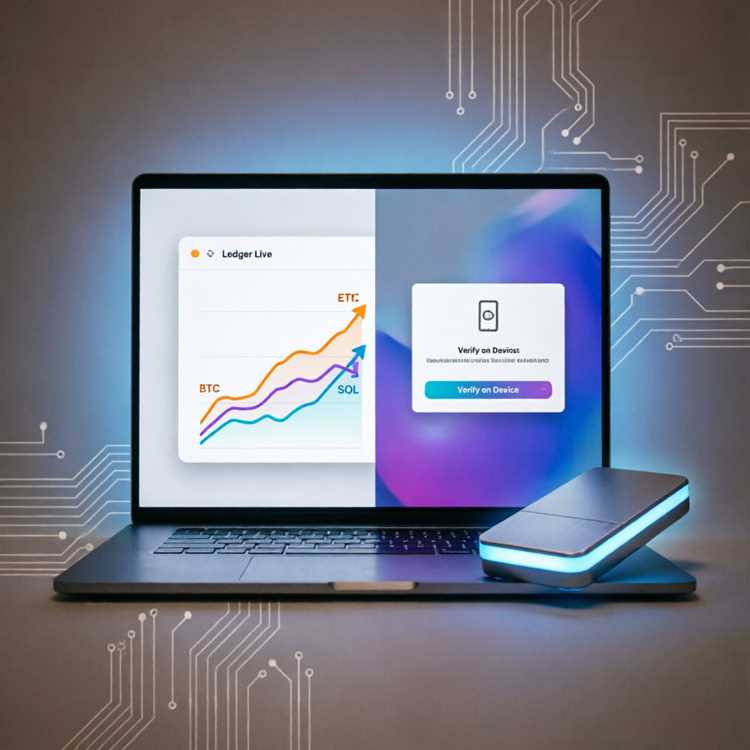
The Ledger Live app Linux interface organizes features into clear sections. Users navigate through portfolios, accounts, and send/receive functions. A sidebar provides access to settings and manager tools. The layout stays consistent across different operating systems.
Portfolio view for tracking balances
See all your crypto holdings in one combined dashboard. Charts display value changes over different time periods. Click any asset to view detailed performance breakdowns. This view helps users monitor their investments at a glance.
Account management for individual coins
Each cryptocurrency gets its own account page with transaction history. Send and receive functions appear directly on account pages. View addresses and QR codes for receiving funds easily. Rename accounts to organize your portfolio better.
Manager section for device apps
Install and uninstall cryptocurrency apps on your Ledger device. Each coin requires its own app for transaction signing. Use this section to free up limited device storage space. Check app versions and update when new releases appear.
Keeping your app current with each upgrade
Regular updates ensure security and add new features. The Ledger Live software upgrade process varies by installation method. AppImage users download fresh files while package manager users run standard commands. Both approaches keep the app running at its best.
Checking for available updates
Open Ledger Live and click Settings then About. The app displays current version and checks for newer releases. Enable automatic update notifications for convenience. Manual checks still work for users preferring more control.
Updating AppImage installations
Download the latest AppImage from the official website. Replace your existing file with the new version. Repeat the permission setting steps for the new file. Launch the updated version to continue where you left off.
Updating package manager installations
Ubuntu users run sudo apt update and sudo apt upgrade. Fedora users use sudo dnf update for their installations. Package managers handle dependencies automatically during updates. Restart Ledger Live after the update process completes.
Troubleshooting common Linux installation issues
Problems during installation happen occasionally but have simple fixes. Most issues relate to USB permissions or missing dependencies. The ledger manager download includes troubleshooting resources. Check common solutions before contacting support.
USB permission errors with hardware devices
Linux restricts USB access for security reasons. Add your user to the plugdev group using usermod command. Create udev rules for Ledger devices to grant permissions automatically. Restart the system or reload udev rules after making changes.
AppImage fails to launch or crashes
Verify that FUSE is installed on your system. Run sudo apt install fuse for Ubuntu based distributions. Check that the file has executable permissions set correctly. Download the file again if corruption is suspected.
Package dependency conflicts during install
Use sudo apt install -f to fix broken dependencies on Ubuntu. Fedora users run sudo dnf distro-sync for similar results. Consider using the AppImage version as a fallback option. This avoids dependency issues entirely.
Frequently asked questions about Ledger Live on Linux
This section answers common questions about using Ledger Live on Linux. Users often wonder about compatibility, security, and features. The answers provide clear guidance for new and experienced users alike.
Does Ledger Live work on all Linux distributions?
Official support covers Ubuntu, Fedora, and Debian. The AppImage version works on most other distributions. Some distros may need additional libraries for USB communication.
Can I use Ledger Live without a hardware wallet?
Yes, the app functions as a portfolio tracker without a device. Sending transactions requires a connected Ledger hardware wallet. Account creation and balance checking work without hardware.
How do I back up my Ledger Live data on Linux?
Ledger Live stores data in the .config directory. Backup this folder to preserve your settings and portfolio data. The recovery phrase remains the most important backup for funds.
Is the Ledger Live Android download compatible with Linux desktop?
The mobile app syncs with your desktop version through cloud backup. Both platforms access the same portfolio data. Transactions initiated on mobile require hardware wallet confirmation.
What cryptocurrencies does Ledger Live support on Linux?
The app supports Bitcoin, Ethereum, and over 5000 other assets. New coins get added through regular app updates. Check the manager section for available device apps.
| Accessory | Price (USD) | Compatibility | Use Case |
|---|---|---|---|
| Ledger Nano S Plus | 79 | All Linux distros | Entry level cold storage |
| Ledger Nano X | 149 | All Linux distros | Bluetooth mobile pairing |
| Ledger Stax | 279 | All Linux distros | Premium touch screen wallet |
| USB Cable (spare) | 10 | All Ledger models | Replacement or travel backup |
| Metal Recovery Plate | 25 | Universal | Fire and water resistant backup |
| Ledger Protect Plan | From 30/year | All Ledger devices | Extended warranty and support |
- AppImage runs on Ubuntu, Fedora, Debian, Manjaro, and more.
- Package formats include .deb for Debian based systems.
- RPM packages cater to Fedora and Red Hat users.
- Snap packages offer another option for Ubuntu users.